
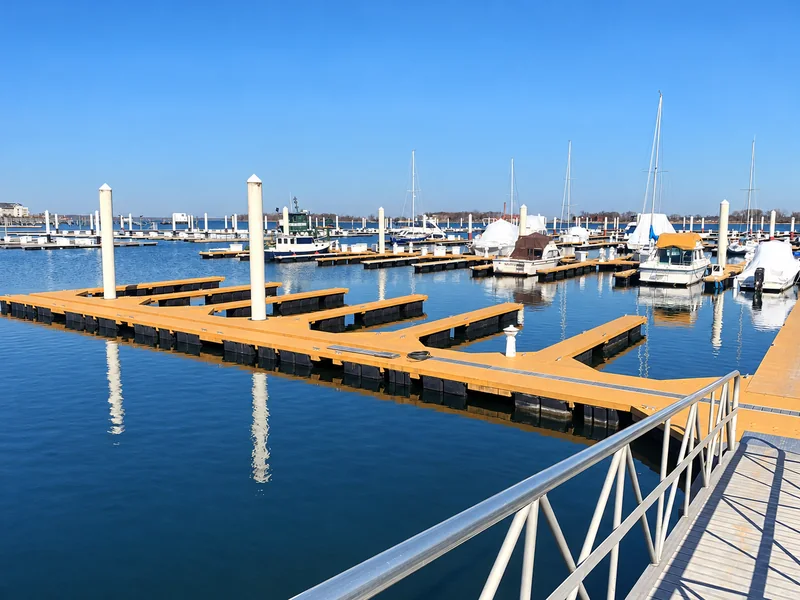
10 Nov Planning Marina Improvements for Next Season in New York
November can be a useful time to organize the questions behind a marina improvement project. With another boating season providing observations, owners and managers can review what worked, what caused frustration, and what deserves closer evaluation. The value of this exercise is not choosing every construction detail immediately. It is turning scattered concerns into a practical plan.
All Pro Marine Contracting Corp., based in City Island, offers marina construction alongside other marine services. For facilities in Greater New York City, Lower Westchester, and Northern Nassau County, an organized project brief can make the first conversation more productive and help connect operational goals with the work being considered.
Review the season from several perspectives
Begin by collecting observations from the people who know the facility. Managers, maintenance staff, and boat owners may notice different issues. One person may focus on an inconvenient boarding location, while another identifies a recurring conflict between deliveries and pedestrian access. Capture the specifics instead of grouping everything under general dissatisfaction.
Organize the feedback by location and activity. Note where a problem occurs, when it becomes noticeable, and who is affected. Separate documented observations from suggestions about how to solve them. This gives the contractor useful context without prematurely limiting the discussion to a particular construction approach.
Establish priorities before choosing finishes
Create a short list of project goals. These might include improving an awkward access route, evaluating aging dock components, or reconsidering part of the slip arrangement. Rank the goals according to their importance to the facility. A priority list helps guide later discussions when budget or scheduling constraints require decisions.
Keep aesthetic preferences in the conversation, but distinguish them from operational requirements. A new surface can change the appearance of a dock without addressing every underlying concern. Ask the project team to explain which proposed improvements serve each goal and which existing conditions require further assessment before a recommendation can be made.
Gather records and current photographs
Collect drawings, surveys, prior project descriptions, and relevant maintenance records that are available. Clearly identify older information so it is not mistaken for a current description of the property. If records are incomplete, say so at the beginning.
Photographs can help explain the layout and the areas being discussed. Take them only from accessible locations and label them by area. Include overall views as well as details that illustrate your observations. A organized set of images usually communicates more effectively than a large collection without any explanation.
Consider how improvements connect
Marina projects often involve relationships between components. A proposed change to a float can raise questions about its shore connection, adjacent slips, or the circulation route used by customers. Ask how the planned work fits into the existing facility rather than evaluating each item independently.
This is particularly useful when considering phased construction. An improvement completed first should be discussed in relation to later goals. Ask whether future work could affect the proposed investment and whether additional planning would help avoid unnecessary repetition. The answer should come from the actual project conditions, not assumptions about what another marina did.
Discuss the customer experience
Describe how boat owners arrive, carry equipment, board vessels, and move through common areas. Identify points where activities compete for the same space. The planning team can use these descriptions to understand how a construction proposal relates to everyday operations.
Consider communication as part of the customer experience. If work affects access, customers will need clear information about the areas involved and the expected sequence. Establish who will communicate updates and how questions will be handled. Construction planning becomes more practical when it includes the people using the facility as well as the physical work.
Build a scope that supports realistic budgeting
Ask for a proposal that identifies the work included and the assumptions behind it. Clarify the treatment of removal, material handling, installation, and other project components. Any unresolved condition should be identified so everyone understands where additional evaluation or decisions may be necessary.
If the budget requires phasing, discuss the priorities openly. Ask what can reasonably be separated and what needs to be considered together. Dividing a project into arbitrary pieces may create complications, so the sequence should be evaluated by the project team. A useful budget conversation connects spending decisions with defined outcomes.
Understand the path to a workable schedule
Share the dates that matter to marina operations, including anticipated activity levels and events already planned. Explain which areas must remain available, if any, and where temporary changes could be considered. These details help establish the constraints behind a preferred completion date.
Ask which decisions, reviews, materials, and approvals must be addressed before construction timing can be confirmed. Identify the responsible party for each step. Avoid treating a preliminary discussion as a guaranteed schedule. A workable timeline should reflect the information available and make outstanding dependencies clear.
Evaluate construction access early
Talk through how crews, materials, and equipment could reach the work area. The marina’s normal customer access may not answer the needs of a construction operation. Share information about land access, occupied berths, nearby structures, and other activities that could affect coordination.
Ask how on-water access will be evaluated for the proposed scope. All Pro Marine’s fleet gallery provides an introduction to its marine equipment, while the project conversation can address what may be appropriate for your facility. Do not assume every job uses the same equipment or approach.
Turn the review into next steps
Finish your internal planning with a concise project brief. Include the location, top priorities, available records, photographs, preferred timing, and the person responsible for decisions. List unresolved questions so the contractor knows where guidance is needed.
Explore All Pro Marine’s marina construction services and contact the City Island team to discuss your facility. Call (718) 885-0429 or use the website’s contact form. Bringing organized information to the first conversation helps move the project from a collection of seasonal observations toward a defined scope, a clearer decision process, and a more useful plan for the waterfront.
Sorry, the comment form is closed at this time.