
10 Sep Planning a Marine Construction Project in New York: A Waterfront Owner’s Guide
A waterfront project begins long before equipment arrives at the shoreline. Whether you manage a commercial property or own a home beside the water, the most useful first step is defining what you need the finished space to do. Better access, a more practical dock layout, and replacement of aging infrastructure are different goals. Each deserves a clear conversation before construction decisions are made.
For property owners in Greater New York City, Lower Westchester, and Northern Nassau County, All Pro Marine Contracting Corp. provides a local starting point for discussing marine construction. Based in City Island, the company works in an environment where shore access, neighboring properties, and conditions on the water all influence project planning.
Start with the way you use the waterfront
Describe a typical day at your property. Do people board recreational boats, unload supplies, move equipment, or simply need a dependable route from shore to vessel? Explain who uses the area, how often they visit, and which parts of the existing arrangement create frustration. These details give a contractor a practical understanding of the project.
Consider future needs alongside current problems. A boat change, expanded marina operation, or different commercial use could affect the preferred layout. You do not need every answer at the first meeting. A short list of priorities helps separate essential improvements from optional features and prevents the discussion from becoming centered on appearance alone.
Document the existing conditions
Gather photographs taken from accessible locations on land. Include broad views of the waterfront and closer images of areas you want reviewed. Existing drawings, previous project records, and any available surveys can also help explain the property. Label documents clearly so everyone understands whether they describe current conditions or an older configuration.
Write down observations without trying to diagnose structural problems yourself. For example, identify a location where decking appears uneven or where access becomes inconvenient at certain water levels. A photograph and a simple description are more useful than an unsupported conclusion about the repair needed. Leave difficult access and technical assessment to appropriately qualified professionals.
Think beyond the visible deck
The walking surface is only one part of a waterfront structure. During planning, ask how the proposed work relates to supports, connections, shoreline access, and the surrounding site. An attractive surface does not answer questions about the suitability of the overall system. Understanding the full scope helps you evaluate what a proposal actually includes.
Discuss whether the project is intended as a limited repair, a replacement, or a broader redesign. These approaches can involve very different assumptions. Ask the contractor to identify what will remain, what will change, and which conditions need further investigation. Clear boundaries reduce misunderstandings when different parties use the same general phrase, such as dock renovation.
Consider access for marine construction
Construction access deserves attention early. The route used by residents or customers may not be suitable for delivering materials or positioning equipment. Share information about narrow driveways, nearby buildings, occupied slips, and other constraints. Explain any operating hours or activities that could affect when work can be coordinated.
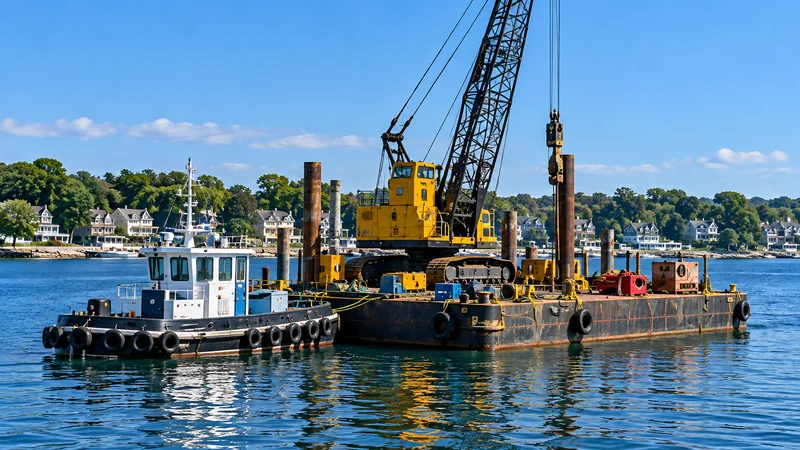
Water access is part of the same conversation. Ask how the contractor expects to reach the work area and what information is needed before an approach can be confirmed. All Pro Marine’s fleet gallery can help introduce the kinds of marine equipment associated with its work, but the actual project approach should be discussed for your specific location.
Make the scope easy to compare
A useful proposal should connect the requested outcome with a defined scope. Ask which components, materials, and services are included. Clarify whether removal, disposal, mobilization, and restoration of affected areas are addressed. If something remains undecided, request that it be identified rather than hidden inside a broad description.
When comparing proposals, look beyond the final number. Two prices may describe different quantities, assumptions, or responsibilities. One may address a limited surface improvement while another includes additional components. A clear comparison starts with matching the work being offered, then considering schedule, communication, and the process for handling changes.
Discuss timing without relying on a single date
Explain your preferred completion window and why it matters. You may be planning around boating activity, tenant needs, or a business event. Sharing the reason behind a deadline helps the project team understand which milestones deserve attention and where flexibility may exist.
Ask what must happen before a construction date can be confirmed. Site evaluation, design decisions, material availability, and any required approvals may affect the sequence. Discuss who will coordinate each item and how updates will be shared. A schedule is more useful when it includes dependencies instead of presenting a start date without context.
Plan communication and property access
Choose a primary contact for the property and ask who will serve that role for the contractor. Establish how questions, scope changes, and scheduling updates should be communicated. Keep written records of decisions so later conversations do not depend on memory.
For shared or commercial properties, explain how residents, staff, customers, and boat owners use the area. Ask how access arrangements will be communicated during the work. Addressing these practical details before mobilization can help everyone understand what to expect and who to contact when a question arises.
Keeping these details together also gives future project discussions a useful reference as the scope becomes more specific over time.
Begin with a focused project conversation
Before contacting a marine contractor, organize your location, photographs, goals, preferred timing, and available records. Include a realistic description of the problem you want solved. You can also identify decisions where you need guidance, such as whether to explore a replacement or discuss a revised layout.
Explore All Pro Marine’s residential and commercial marine construction services, then contact the City Island team to discuss your property. Call (718) 885-0429 or use the website’s contact form. A productive first conversation turns a general waterfront idea into a clearer set of questions, helping you move toward a project that fits the way you actually use the water.
Sorry, the comment form is closed at this time.